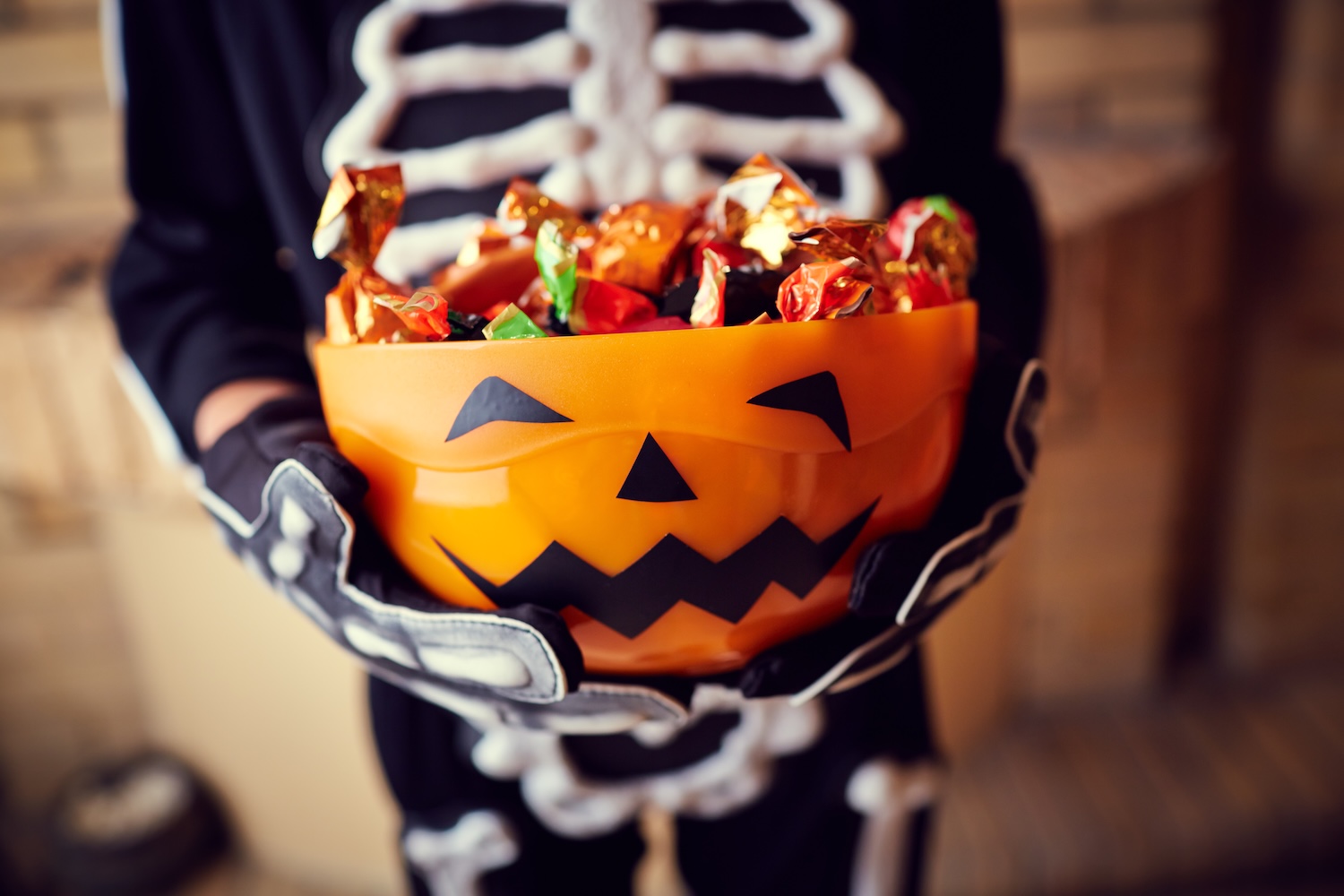
Halloween candy often stays around long after the costumes have been put away. A few pieces after school can turn into another handful before dinner, with a lollipop somewhere in between. As those snacks stretch across the afternoon, your child’s teeth keep getting another round of sugar. Depending on the candy, sticky pieces, sour ingredients, or a hard bite can add to the trouble.
At Growing Smiles Pediatric and Family Dentistry, we care for families in Voorhees, Cherry Hill, and Mount Laurel, New Jersey. We know October comes with plenty to juggle, and your child probably has strong opinions about which treats they’re keeping. Choosing a few favorites to enjoy at one time helps cut back on picking at the bag all afternoon. As you sort through the Halloween haul, here’s what to know about the candies inside.
Sticky Candy Clings to Teeth
Caramels, taffy, gummies, and chewy ropes can leave little pieces tucked into tooth grooves and between teeth. Your child may finish the candy quickly, while some of it stays behind much longer. Bacteria in plaque—the sticky bacterial film that forms on teeth—use those sugars to produce acids. As a result, the teeth can remain exposed after snack time ends.
Water helps rinse the mouth, although it won’t necessarily wash away every sticky piece. Brushing and cleaning between teeth help clear what remains, so younger children still need you to finish the areas they miss. Sticky candy can also pull on braces or loose dental work. If your child says something moves when they chew, put that candy aside and contact the dental or orthodontic team.
Sour Candy Adds Acid
That face your child makes after the first bite of sour candy comes from its tart ingredients. Acids such as citric acid create the flavor, and repeated exposure can wear away enamel, the hard outer layer of teeth. Meanwhile, the sugar feeds plaque bacteria that produce additional acids. When the candy is also gummy or chewy, pieces may cling to teeth after your child finishes eating.
Even sugar-free sour candy can contain acids, so check beyond the sugar-free label. After sour treats, have your child drink or rinse with water, then allow time before brushing because acid temporarily softens the surface. Encourage them to swallow normally rather than holding dissolved candy in their mouth. Keeping the portion to one snack or meal also gives their mouth a break afterward.
Hard Candy Stays in the Mouth Longer
A lollipop can last through homework, a car ride, and part of the afternoon. During that time, it keeps supplying sugar as it dissolves. Starting another one afterward extends the exposure further, even if your child hasn’t eaten many pieces. Saliva helps clear sugars and neutralize acids, but frequent candy gives it less time between exposures.
Then there’s the last piece that seems too small to keep sucking on. Kids may crunch it without thinking, and that pressure can chip a tooth or damage a filling or bracket. Encourage your child to avoid biting hard candy. If chewing has already started hurting, arrange an exam and keep them from testing the tooth with another piece.
Plain Chocolate Is Usually Easier to Clear
Plain chocolate melts and generally washes away more easily than taffy or gummies. If your child already likes it, it’s often a better choice than something sticky or hard. However, chocolate still contains sugar, so eating small pieces throughout the day repeatedly exposes teeth. Enjoying a portion with a meal lets their mouth have a break once they’re finished.
Caramel or sticky nougat can change that, since the filling may remain between teeth or in grooves. Hard nuts can also put pressure on teeth and braces. As you sort the candy, consider what’s inside the chocolate coating. For children with braces, follow their orthodontist’s instructions when choosing treats.
Keep a Few Favorites, Then Put the Bag Away
Maybe your child sorts out every peanut butter cup, or maybe the chewy candy disappears first. They can still enjoy their favorites, although some treats need to stay out of the pile if they wear braces. Choose a portion to have with a meal or planned snack, then put the rest away. That gives their mouth a break instead of exposing their teeth to more sugar every time they pass the bag.
You can make the plan together before the wrappers start piling up. Decide when treats will come out, then store the bag somewhere other than the kitchen counter. Otherwise, getting a glass of water can turn into getting another piece of candy. Also, offer water with or after the treats, since juice or soda adds sugar and can keep the exposure going after the candy is gone.
Sort Out Treats That Can Damage Braces
Children with braces need to skip candies that can pull on brackets, bend wires, or break parts of the appliance. That includes many sticky, chewy, and hard treats, along with candies containing hard nuts. Softer options, such as a small piece of plain chocolate, may fit their orthodontist’s instructions better. Sorting those out beforehand helps your child know which treats they can choose from.
If a bracket loosens or a wire starts poking after a snack, contact the orthodontic team. Explain what happened and whether anything feels sharp or uncomfortable. They can recommend temporary steps and arrange a repair. In the meantime, keep your child from chewing on the damaged area.
Keep Bedtime Cleaning on the Schedule
By the time the costumes come off, your child may be halfway asleep while you’re still finding candy wrappers. Keep tooth cleaning in the evening routine, even when Halloween runs late. Use fluoride toothpaste in the amount recommended for their age, and help younger children reach the gumline and back teeth. Once teeth touch, clean between them as well.
For children with braces, spend time around the brackets where food collects. And since the candy may last well into November, continue the same routine after Halloween night. At regular cleanings and exams, we can check harder-to-reach areas and help with cleaning difficulties. Bring up the spot your child avoids or the back tooth you struggle to reach so we can demonstrate a technique.
If Candy Makes a Tooth Hurt, Let Us Know
If your child repeatedly winces with sweets or cold drinks, schedule an examination. A cavity, damaged filling, or another problem may be causing the discomfort. Candy sometimes draws attention to trouble that was already developing. Mention which tooth bothers them and whether the pain stops after eating or continues afterward.
If a tooth chips or dental work comes loose, save any piece you have and contact us. We’ll check the tooth and explain what repair it needs. Contact us promptly for increasing pain or swelling. Until the visit, avoid having your child chew directly on the affected tooth.
Halloween Smiles at Growing Smiles
Enjoy the costumes, compare the candy hauls, and let your child choose a few favorites. Then put the rest away and keep up with their daily cleaning. If candy has brought out a sensitive tooth or made cleaning around braces more difficult, bring those questions to us.
Schedule a visit with Growing Smiles Pediatric and Family Dentistry in Voorhees, Cherry Hill, or Mount Laurel, New Jersey if your child is due for care or has a tooth that’s bothering them. We can check the area and work through the parts of their routine that have been difficult at home. Have fun with Halloween, and we’ll help you care for those smiles long after the candy bag is empty!