
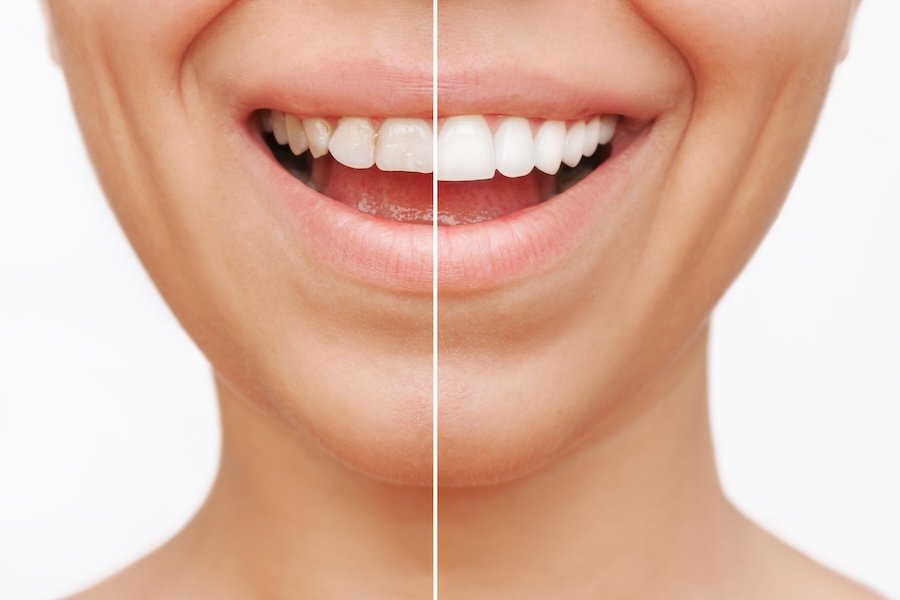
Veneers get talked about like they can solve almost every smile concern, but that is not quite how they work. They can make a big difference for the right teeth, especially when chips, discoloration, uneven edges, or shape concerns are affecting the front of the smile. However, they are not meant to fix every dental problem, and they are not always the most practical first step.
A good cosmetic result should still protect your teeth, not cover up problems that need to be treated first. If a tooth has decay, gum issues, a bite problem, or heavy grinding, those concerns need attention before veneers are considered. Otherwise, the final result may look nice at first but may not hold up the way it should.
At Growing Smiles Pediatric and Family Dentistry, with locations serving Voorhees, Cherry Hill, and Mount Laurel, NJ, the team helps patients understand when veneers make sense and when another treatment may be better. The goal is not just to create a prettier smile. It is to choose an option that fits your teeth, your health, and the way your smile functions day to day.
What Dental Veneers Are
Dental veneers are thin coverings that are placed on the front surface of teeth. They are most often used on the teeth that show when you smile, especially the upper front teeth. Veneers can change the visible color, shape, length, and overall appearance of those teeth.
Porcelain veneers are commonly used because they look natural and resist staining well. Composite veneers may also be an option in some cases, depending on the tooth, the concern being treated, and the patient’s goals. Each type has benefits, and the right choice depends on the situation.
Lumineers may also be available for patients who want a more conservative veneer option. They are a type of ultra-thin veneer that may require little to no enamel removal in certain cases, though they are not the right fit for every smile. Your dentist can explain whether traditional veneers or Lumineers would better match your tooth shape, cosmetic goals, and long-term needs.
Veneers are considered a cosmetic dental treatment, but that does not mean planning should be only about appearance. Your dentist also needs to look at the bite, enamel, gum health, tooth structure, and any habits that may affect the veneers over time.
A well-planned veneer should blend with your smile rather than stand out. The best results often look healthier and more balanced without making the teeth look overly bulky, too bright, or artificial.
Veneers Can Improve Chipped Front Teeth
Veneers can be a strong option for front teeth with visible chips, especially when the chip affects the edge, shape, or symmetry of the smile. A veneer covers the front surface of the tooth and can create a smoother, more even appearance.
For example, if one front tooth has a small but noticeable chip, a veneer may help restore a more balanced look. If several teeth have worn or uneven edges, veneers may be used to create a more consistent smile line.
That said, not every chip needs a veneer. Small chips can sometimes be treated with bonding, which uses tooth-colored resin to rebuild the missing area. Bonding is usually less involved, but it may stain or wear sooner than porcelain.
The best treatment depends on the size of the chip, the health of the tooth, and whether there are other concerns such as discoloration or uneven tooth shape. If the chip is only minor, bonding may be enough. If the tooth has several cosmetic concerns, a veneer may offer a more complete solution.
Veneers Can Help With Deep Stains or Discoloration
Veneers can improve teeth that are deeply stained or discolored, especially when whitening does not give the desired result. Some discoloration responds well to professional whitening, but not all stains lift evenly.
Teeth may look darker because of aging, trauma, medication-related staining, enamel changes, or old dental work. In some cases, whitening may lighten the teeth only slightly or may leave uneven color behind. Veneers can cover the front surface of the teeth and create a more consistent shade.
This can be helpful for patients who want a brighter smile but do not want to keep repeating whitening treatments with limited results. Veneers are custom-shaded, so the goal can be a natural brightness rather than an overly white look.
However, veneers are not always the first step for discoloration. If the concern is mild surface staining, professional whitening may be a better and more conservative option. A cosmetic consultation can help determine whether whitening, bonding, veneers, or another treatment makes the most sense.
Veneers Can Change Tooth Shape and Size
Some people have teeth that are naturally smaller, narrower, shorter, or slightly misshapen compared with the rest of their smile. Others notice changes over time from wear, chips, or previous dental work. Veneers can help improve tooth shape and size by changing the visible front surface.
This can make a smile look more even without making every tooth look identical. A slightly short tooth can be lengthened visually. A narrow tooth can look fuller. A tooth with an uneven edge can be made smoother and more balanced.
Small design choices can make the difference between teeth that look balanced and teeth that look bulky. Teeth should still fit your face, lips, and gumline. If veneers are made too large or too square, they can look unnatural.
At Growing Smiles Pediatric and Family Dentistry, the team can look at your smile as a whole and discuss what changes would look balanced. The goal is usually a healthier, more even appearance, not a smile that looks copied and pasted.
Veneers Can Close Small Gaps
Veneers can sometimes close small gaps between teeth, especially when the spaces are minor and the teeth are otherwise in good positions. By slightly changing the width or shape of the teeth, veneers can make the smile look more connected and even.
This can be helpful when a gap is cosmetic rather than a sign of a larger bite or alignment issue. For example, if two front teeth have a small space and the bite is stable, veneers may be one option to improve the appearance.
However, veneers are not the best fix for every gap. Larger spaces, significant crowding, or bite problems may be better treated with orthodontics. If teeth need to move for the bite to function properly, Invisalign or braces may create a healthier foundation before cosmetic treatment.
Before closing a space cosmetically, your dentist needs to see how the teeth fit together and whether the final shape would still look natural. Closing a space with veneers can look good in the right case, but it should not create teeth that are too wide, bulky, or difficult to clean.
Veneers Can Improve Mild Unevenness
Veneers can help with mild unevenness in the front teeth. This may include small differences in tooth length, slightly irregular edges, or teeth that look a bit out of proportion next to each other.
For some patients, these changes are enough to make the smile feel less balanced. A veneer can adjust the visible shape of a tooth and create a more even line across the smile. This can be especially useful when the concern is mostly cosmetic and does not involve major tooth movement.
Still, veneers should not be used to cover up serious alignment problems without considering the bite. If teeth are crowded, rotated, or positioned in a way that affects chewing or cleaning, orthodontic treatment may be a better first step.
Mild unevenness can often be corrected nicely with veneers, but the word “mild” matters. Your dentist can help you understand whether veneers can create a natural result or whether another treatment would be healthier and more predictable.
Veneers Cannot Fix Active Cavities or Gum Disease
Veneers should not be placed over active decay or unhealthy gums. If a tooth has a cavity, the decay needs to be treated first. If the gums are inflamed or infected, gum health should be addressed before cosmetic work begins.
This is important because veneers rely on a healthy foundation. A veneer placed on a tooth with untreated decay may not seal properly or last well. Gum inflammation can also affect how the veneer fits near the gumline and how the final result looks.
Healthy gums frame the smile. If the gums are swollen, bleeding, or receding, cosmetic work may look less predictable. Treating gum issues first helps create a better environment for veneers or any other cosmetic treatment.
In other words, veneers can improve the appearance of teeth, but they are not a shortcut around basic dental health. A strong cosmetic result starts with healthy teeth and gums.
Veneers Cannot Replace Missing Teeth
Veneers are placed on existing teeth, so they cannot replace a tooth that is missing. If there is a gap because a tooth has been lost, the treatment options are different. A dental implant, bridge, or partial denture may be considered depending on the location and the patient’s needs.
This can be confusing because veneers can close small spaces between existing teeth. However, closing a tiny cosmetic gap is different from replacing a missing tooth. A missing tooth affects chewing, bite support, spacing, and sometimes bone health.
If a tooth is missing, your dentist will need to evaluate the surrounding teeth and gums before recommending a replacement option. In some cases, cosmetic treatment may still be part of the final plan, but the missing tooth itself needs a restorative solution.
Veneers are best thought of as a way to improve the front surface of teeth that are already present. They are not tooth replacements.
Veneers Cannot Fix Severe Bite Problems
A veneer changes the visible surface of a tooth, but it does not correct the way the upper and lower teeth fit together. If a patient has a severe overbite, underbite, crossbite, open bite, or major crowding, veneers alone may not be the best answer.
Bite problems matter because they affect how force moves through the teeth. If the bite places too much pressure on veneers, they may chip, crack, or wear sooner. This is especially true for patients who grind or clench their teeth.
Sometimes orthodontic treatment is recommended before veneers. Moving the teeth into better positions can create a healthier bite and may reduce the amount of enamel that needs to be altered for cosmetic treatment.
A cosmetic plan should never ignore function. Teeth need to look good, but they also need to work well. If the bite is not stable, veneers may not be the most reliable first step.
Veneers May Not Be Best for Heavy Grinding or Clenching
Patients who grind or clench their teeth may still be candidates for veneers, but the habit needs to be taken seriously. Grinding places heavy force on the teeth, especially during sleep, and that pressure can damage veneers over time.
Signs of grinding may include worn enamel, chipped edges, jaw soreness, headaches, tooth sensitivity, or cracked fillings. If these signs are present, your dentist may recommend a nightguard or other steps to protect the teeth before and after veneer treatment.
In some cases, veneers may not be the best option if the grinding is severe or uncontrolled. A crown or another type of restoration may be more appropriate for teeth that need more protection.
If grinding or clenching is part of the picture, it is better to address it before investing in cosmetic work. That helps protect both the veneers and the natural teeth underneath.
Veneers Are Not Always the Most Conservative Option
Veneers can create beautiful results, but they are not always the least involved option. Traditional porcelain veneers often require removing a small amount of enamel from the front of the tooth so the veneer can fit properly and look natural.
Because enamel does not grow back, veneers are considered a long-term commitment. That does not mean they are a bad choice, but it does mean they should be chosen thoughtfully.
For smaller concerns, bonding, whitening, enamel shaping, or orthodontic treatment may be more conservative. For example, if the only issue is mild staining, whitening may be enough. If there is one tiny chip, bonding may work well. If teeth are crowded, aligners may be the healthier first step.
A good consultation should include all reasonable options, not just veneers. The right treatment is the one that meets your goals while preserving as much healthy tooth structure as possible.
How to Know If Veneers Are Right for You
Veneers may be a good fit if your teeth and gums are healthy, your concerns are mostly cosmetic, and you want to improve the appearance of front teeth that are chipped, stained, uneven, small, or mildly spaced. They may also be a good option if whitening or bonding will not give the result you want.
A veneer consultation usually includes an exam, a discussion of your goals, and a review of any dental concerns that could affect treatment. Your dentist may look at your bite, enamel, gumline, tooth shape, existing restorations, and signs of grinding.
It also helps to be clear about what you want to change. Do you want teeth to look brighter, longer, smoother, more even, or less worn? Are you looking for a subtle refresh or a bigger cosmetic change? Clear goals help guide the treatment plan.
At Growing Smiles Pediatric and Family Dentistry, the team can explain whether veneers make sense or whether another option would be better for your smile. A thoughtful plan can help you avoid unnecessary treatment and choose care that lasts.
Veneers in Voorhees, Cherry Hill, and Mount Laurel, NJ
Veneers can be a helpful option for improving chipped, stained, worn, uneven, or mildly spaced teeth. However, they cannot fix everything, and they work best when the teeth and gums are healthy before treatment begins.
At Growing Smiles Pediatric and Family Dentistry, with locations serving Voorhees, Cherry Hill, and Mount Laurel, NJ, the team helps patients understand what veneers can and cannot do. Whether you are interested in cosmetic dentistry for yourself or exploring options for a family member, the first step is a clear evaluation and an honest conversation about what makes sense.
If you are wondering whether veneers are the right choice, schedule a consultation with Growing Smiles Pediatric and Family Dentistry. You can talk through your goals, learn what options fit your teeth, and choose a plan that supports both the look and health of your smile.
FAQs
What can veneers fix? Veneers can improve the appearance of chipped teeth, deep stains, uneven edges, small gaps, mild shape concerns, and teeth that look worn or slightly undersized. They are most often used on the front teeth that show when you smile.
What can veneers not fix? Veneers cannot treat active cavities, gum disease, missing teeth, severe bite problems, or major alignment issues. Those concerns usually need to be addressed with restorative, periodontal, implant, bridge, denture, or orthodontic treatment first.
Are veneers better than bonding? It depends on the concern. Bonding may be better for small chips or minor repairs because it is usually more conservative. Veneers may be better when several cosmetic concerns need to be improved at once or when a longer-lasting, stain-resistant option is preferred.
Can veneers close gaps between teeth? Veneers can sometimes close small cosmetic gaps. Larger gaps or spacing caused by alignment issues may be better treated with orthodontics, such as Invisalign or braces.
Do veneers ruin your natural teeth? Veneers do not “ruin” teeth when they are planned and placed properly, but traditional veneers usually require some enamel removal. Because that change is permanent, veneers should be considered a long-term treatment.
How do I know if I am a good candidate for veneers? You may be a good candidate if your teeth and gums are healthy, your bite is stable, and your concerns are mostly cosmetic. A dental exam can help determine whether veneers, bonding, whitening, orthodontics, or another treatment would be the best fit.